
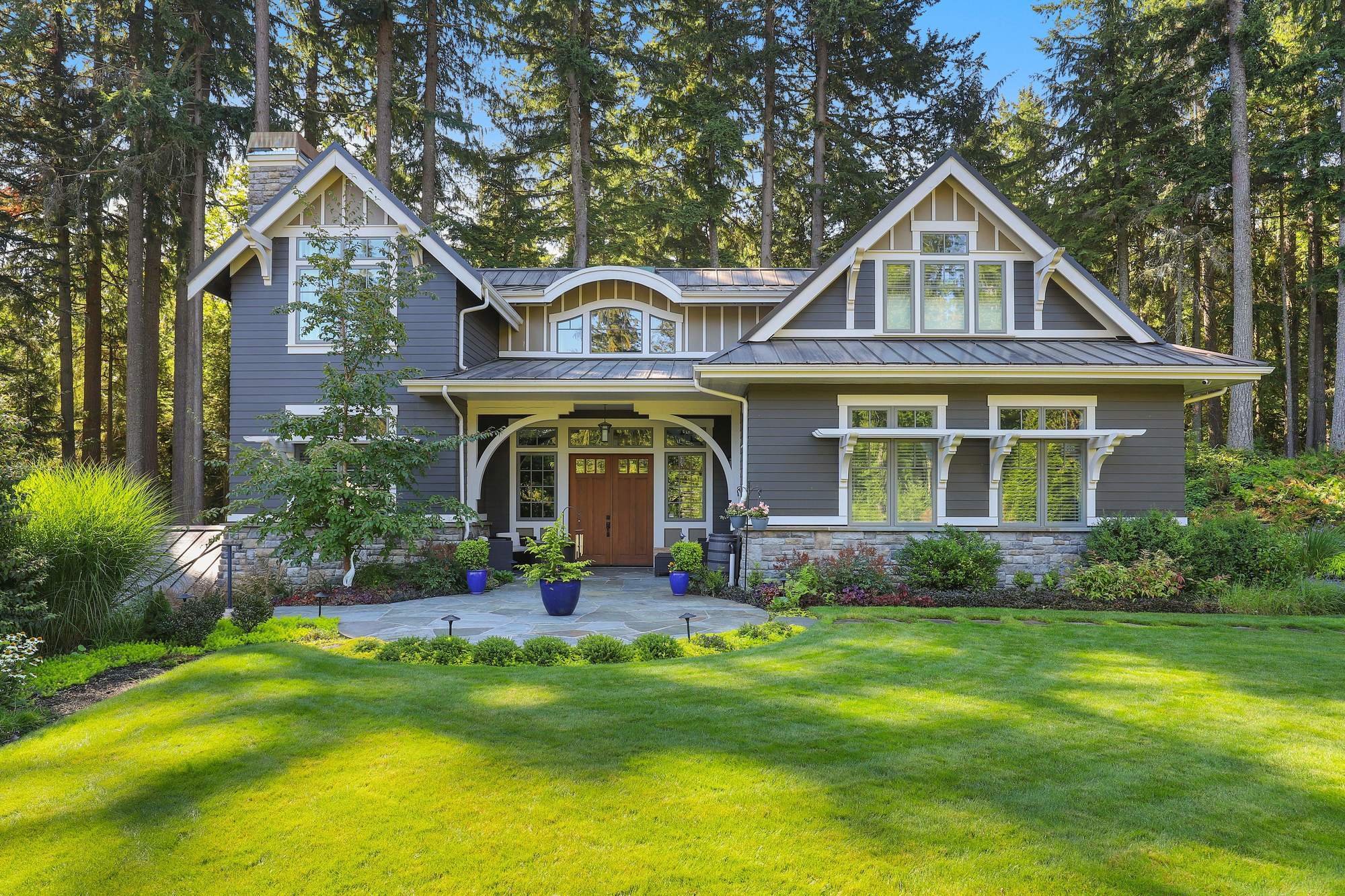
Designing a Private Wellness Retreat for Your Bellevue Home
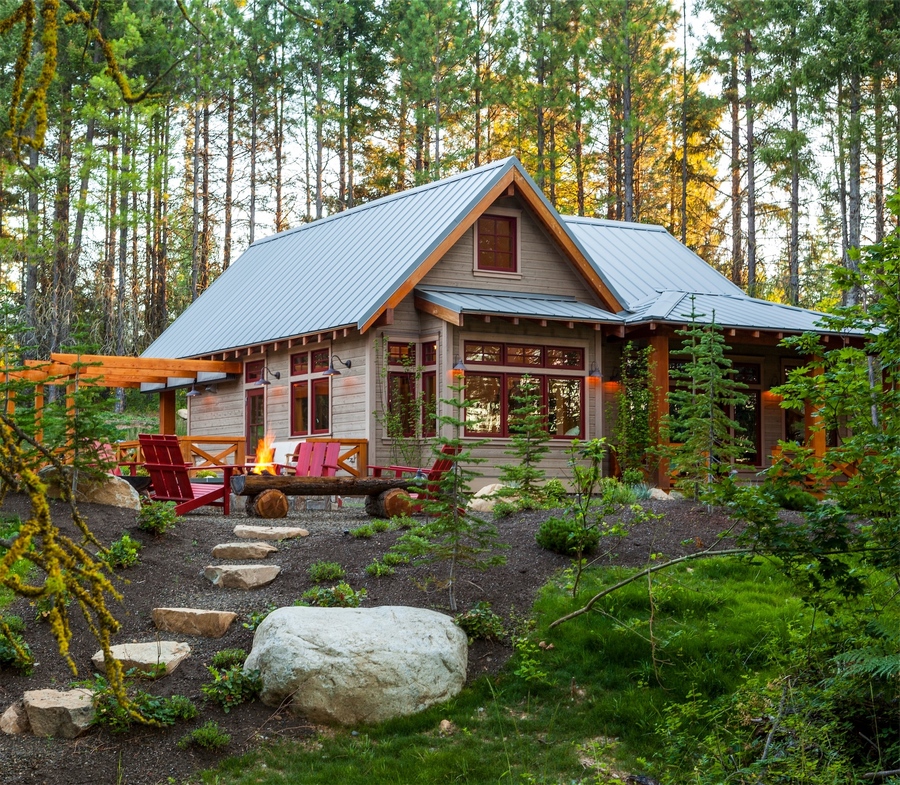
For homeowners in Bellevue, Kirkland, and throughout Seattle's Eastside, luxury home design is increasingly about more than beautiful finishes and spacious floor plans. It's about creating spaces that enhance everyday living, encourage relaxation, and support long-term well-being.
One of the most exciting opportunities in luxury home design is the private wellness retreat—a thoughtfully designed space that brings spa-inspired experiences into the comfort of home.
From custom saunas and steam showers to cold plunges and dedicated relaxation rooms, today's homeowners have more options than ever to personalize their living environments. Whether you're planning a major renovation or exploring Bellevue new home construction, incorporating wellness amenities can transform how you experience your home.
At RW Anderson Homes, we believe exceptional homes should reflect the people who live in them. Understanding the design, construction, and technical considerations behind these specialized spaces is an important first step toward creating a wellness retreat that feels both luxurious and effortless.
Why Are Luxury Home Wellness Spaces Becoming More Popular?
Wellness-focused home design reflects a growing desire to create comfortable, restorative environments that fit naturally into daily routines.
Instead of scheduling visits to a spa or wellness club, homeowners can enjoy personalized experiences whenever they choose. A morning sauna, an evening steam shower, or a quiet moment in a dedicated relaxation room can become part of everyday life.
For Eastside homeowners investing in custom homes or an extensive Bellevue renovation, private wellness spaces also offer opportunities for personalization.
Popular luxury wellness amenities include:
- Custom home saunas with premium wood finishes and adjustable temperature controls.
- Residential steam showers featuring integrated seating, lighting, and aromatherapy options.
- Cold plunge tubs designed for convenient temperature-controlled immersion.
- Dedicated yoga and meditation rooms with natural light and calming materials.
- Spa-inspired bathrooms with heated floors, soaking tubs, and oversized showers.
- Fitness and recovery rooms that combine exercise equipment with relaxation amenities.
Home Sauna Design: Creating a Personalized Retreat
A custom home sauna can be a beautiful addition to a luxury residence, offering a dedicated environment for warmth and relaxation.
When planning a sauna, homeowners typically choose between traditional and infrared systems.
Traditional vs. Infrared Saunas
Traditional saunas use a heater to warm the surrounding air, often with heated stones that allow users to introduce brief bursts of humidity. They provide the classic sauna experience many homeowners associate with luxury spas.
Infrared saunas use radiant heaters to warm the body more directly and generally operate at lower air temperatures.
Both options can be incorporated into residential wellness spaces, but their electrical requirements, dimensions, operating characteristics, and installation needs differ.
Important Home Sauna Construction Considerations
Successful sauna construction involves more than selecting attractive wood paneling.
Space and layout: The sauna should accommodate the intended number of users while providing comfortable seating and appropriate clearances around the heating equipment.
Ventilation: Proper airflow is essential for comfort and equipment performance. Ventilation requirements should follow the sauna manufacturer's specifications.
Materials: Sauna interiors require materials appropriate for elevated temperatures. Woods such as cedar, hemlock, and aspen are commonly considered for their appearance and suitability.
Electrical planning: Heating systems may require dedicated electrical circuits and specialized installation.
Moisture management: Traditional sauna installations require careful attention to the surrounding building assembly, insulation, and vapor-control details.
For homeowners planning a new Bellevue home construction, incorporating a sauna during the initial design phase can make it easier to coordinate these requirements with the home's overall architecture and mechanical systems.
Steam Shower vs. Sauna: Which Is Better for Your Home?
One of the most common questions homeowners encounter when designing a private wellness retreat is whether to install a steam shower, a sauna, or both. Although both create heated environments, they provide distinctly different experiences.
The Benefits of a Residential Steam Shower
A steam shower transforms an enclosed shower into a warm, humid environment using a dedicated steam generator.
Unlike a traditional sauna, which generally produces dry heat, a steam shower surrounds users with moisture-rich air.
Luxury steam shower features may include:
- Built-in benches for comfortable seating.
- Digital temperature and steam controls.
- Multiple showerheads and body sprays.
- Integrated lighting and audio systems.
- Aromatherapy capabilities.
- Custom tile and natural stone finishes.
Steam showers can be especially appealing when homeowners want to incorporate wellness amenities into an existing primary bathroom rather than dedicate an entirely separate room.
Choosing the Right Experience
A sauna may be ideal for homeowners who prefer higher-temperature environments and want a distinct wellness destination. A steam shower may be more practical for those who enjoy humid heat and appreciate the convenience of combining a daily shower with a spa-inspired experience. For larger custom homes, incorporating both amenities can create a more comprehensive wellness suite.
Waterproofing and Ventilation: Essential Elements of Wellness Room Construction
Luxury finishes create the visual experience of a private spa, but the systems behind the walls are equally important.
Steam showers, saunas, and other wellness amenities introduce unusual combinations of heat, moisture, and humidity. Without careful planning, these conditions can contribute to condensation, deterioration, and moisture-related damage.
Waterproofing a Steam Shower
Steam showers require specialized construction assemblies designed to manage both liquid water and water vapor. Important considerations include continuous waterproofing, appropriate vapor control, properly detailed penetrations, and compatible tile-setting materials.
Ceilings, benches, doors, and transitions must also be carefully designed to manage condensation and maintain the enclosure's performance.
Planning for Proper Ventilation
Ventilation plays an important role in maintaining indoor comfort and controlling humidity.
Depending on the design, a wellness suite may require dedicated exhaust ventilation, appropriately located air supply, and coordination with the home's heating and cooling systems. Steam generators and sauna heaters must also be installed according to manufacturer requirements and applicable codes.
Cold Plunges and Recovery Spaces in Luxury Homes
Cold plunge tubs are another amenity homeowners may consider when creating a dedicated wellness environment.
These systems provide controlled cold-water immersion and can be incorporated into bathrooms, fitness rooms, or purpose-built wellness suites. However, installing a cold plunge requires thoughtful planning.
Water-filled equipment can impose substantial structural loads. Depending on the system, additional considerations may include plumbing, drainage, electrical connections, waterproofing, and access for maintenance. Some cold plunge systems also require mechanical equipment that generates heat or noise, making equipment placement particularly important.
For custom home projects, evaluating these factors during design can help determine whether a cold plunge belongs inside the home, in a covered outdoor area, or within a separate wellness pavilion.
Designing a Luxury Wellness Room That Feels Like a Retreat
The best home wellness spaces balance technical performance with a calming atmosphere. While saunas and steam showers may be the primary features, surrounding design details help create a cohesive experience.
Natural Materials and Thoughtful Lighting
Warm wood finishes, natural stone, textured tile, and muted color palettes can create an inviting environment. Layered lighting is equally important. Dimmable fixtures, concealed accent lighting, and carefully positioned natural light can help establish a relaxing atmosphere. Connecting wellness spaces to gardens, private courtyards, or wooded views can further enhance the experience.
Comfort and Convenience
Practical details can make a significant difference in how often a wellness space is used.
Consider incorporating towel storage, changing areas, comfortable seating, heated flooring, and convenient access to showers. Privacy, acoustic separation, and intuitive controls also contribute to a more enjoyable experience.
Incorporating Wellness Amenities Into Bellevue New Home Construction
One of the advantages of designing a custom home is the opportunity to integrate specialized amenities from the beginning. Early planning allows our design and construction teams to coordinate structural requirements, mechanical systems, electrical capacity, plumbing, and architectural details. It also provides greater flexibility when deciding where wellness amenities should be located.
Homeowners renovating an existing Eastside property can also incorporate wellness features, although structural conditions, available utilities, and existing layouts may influence the scope of work. Working with an experienced custom home builder like RW Anderson helps ensure that ambitious design ideas are supported by thoughtful construction planning.
Build a Home That Supports Your Lifestyle
A private wellness retreat is more than a collection of luxury amenities. It's an opportunity to create a home that supports relaxation, comfort, and the routines that matter most to you.
Whether your vision includes a custom sauna, a steam shower, a cold plunge, or an entire wellness suite, successful results depend on balancing personalized design with careful technical execution. Contact RW Anderson Homes to learn more.